Skip to content
THE ACQUISITION OFFICELONDON | CHESHIRE | MANCHESTER

The Acquisition Office · Cheshire · Area guides

Wilmslow & Alderley Edge.

Guidance for a Cheshire family home search, considering village and town life, the surrounding countryside, schools and the responsibilities of a larger home.

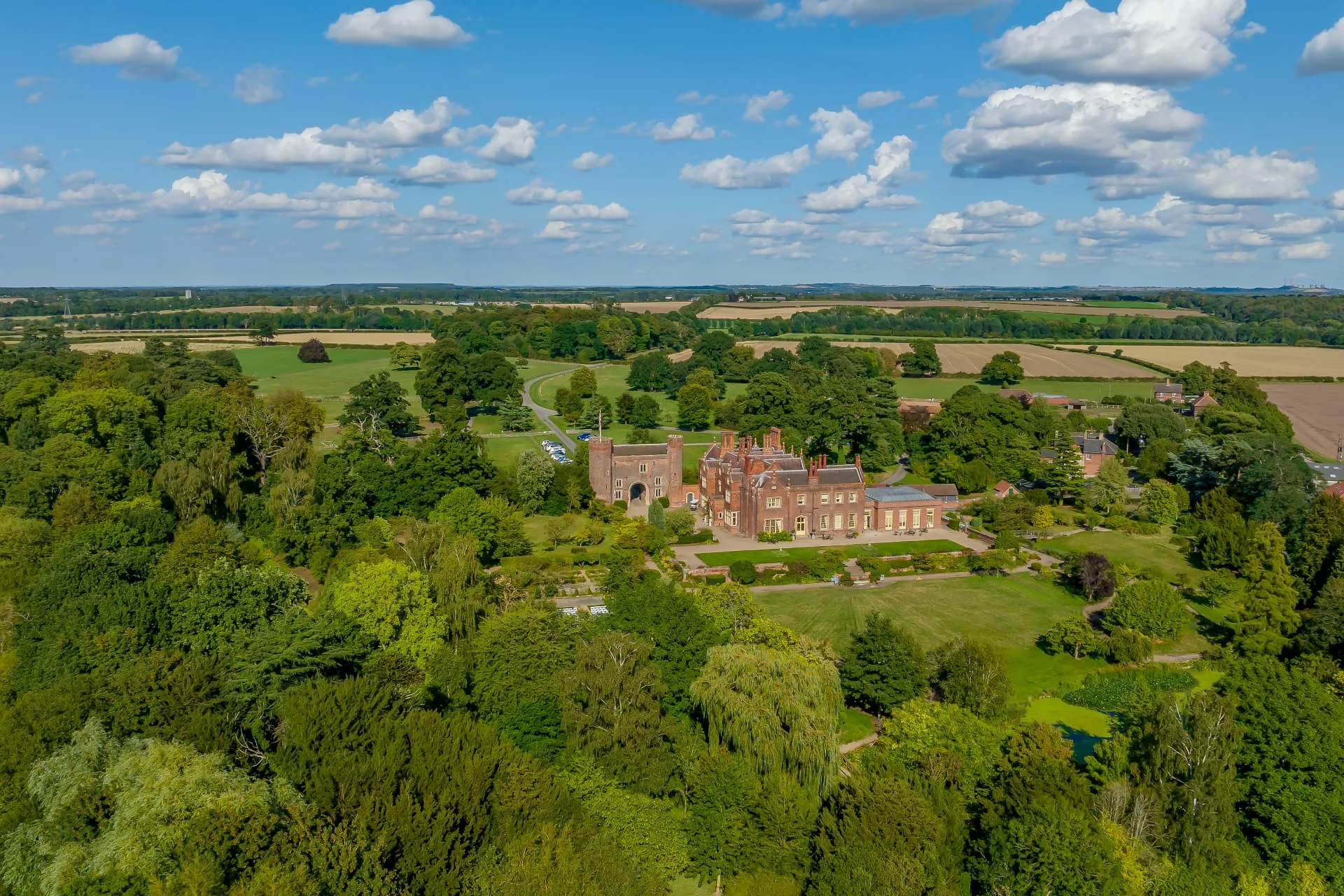
Aerial view of a country house among trees and surrounding fields

Town, village and surrounding landscape

Wilmslow and Alderley Edge often feature in the same search but feel quite different close up. In Wilmslow, the Carrs offers parkland along the River Bollin, while the National Trust’s Alderley Edge countryside covers the sandstone escarpment beyond the village. Being near these landscapes is one thing. How convenient an individual home is day to day is another.

A walkable central home and a more secluded property on a larger plot involve different trade-offs. Think about shops, school runs, the station, parking for visitors and how much driving your week would involve. A weekend viewing may not show what everyday life on the edge of the countryside is really like.

Housing and the cost of space

Compare older houses, more recent family homes and apartments against the same practical needs. Outside space, outbuildings and room to improve can be appealing, but gardens, roofs and services all need looking after. Think about access for maintenance as well as first impressions.

Older homes and properties with land often raise questions about drainage, boundaries, rights of way and past alterations, which your solicitor and surveyor will look into. Conservation areas have their own named boundaries, so check the designation for the property rather than assuming all of Alderley Edge or Wilmslow is treated alike.

Searching around schools, with a fallback

Cheshire East makes clear that living within a catchment area does not guarantee a place. Read the current school location information, admissions booklets and each school’s policy for the year your child would join. Mid-year applications and independent schools need their own direct enquiries.

Check which authority covers the exact address and which criteria apply. It is sensible to keep other schools in mind and to choose a home that still works if your first preference is not available. Neither a village name nor an estate agent’s description is evidence of a place.

Connections and a considered shortlist

Check current rail and road journeys to the places you actually need to go, including the walk or drive to the station, onward connections, the airport where relevant and the school run. Timetables change, so no quoted journey time replaces checking your own schedule.

If you are moving from elsewhere, renting first can give you time to get to know the area before buying. If you are buying straight away, visit shortlisted streets at different times and discuss any works with independent specialists. We can help you compare the options and keep track of anything still to be confirmed.

Official starting points.

Check the current policy and the individual address with the responsible authority. Historic appraisals explain context; they should be read alongside current planning policy.

Read about a school-led property search →

A closer look

Neighbourhoods, through a family brief.

Questions worth asking.

Does buying or renting nearby guarantee a school place?

No. Admissions depend on each school’s current arrangements, the relevant authority and your child’s year of entry, so it is always worth checking directly. Whether a place is available is a separate question from choosing the home.

Are these guides a substitute for address-level checks?

No. They are a helpful starting point rather than a claim to know every street. Transport, tenure, planning boundaries and the condition of each property always need checking at the time.

Further reading in Insights →

Private enquiries

Every acquisition begins with a quiet, considered conversation.