Skip to content
THE ACQUISITION OFFICELONDON | CHESHIRE | MANCHESTER

The Acquisition Office · Cheshire & Greater Manchester · Area guides

Hale, Bowdon & Altrincham.

A family-focused look at three neighbouring but distinct places, with schools, transport and upkeep considered alongside the home.

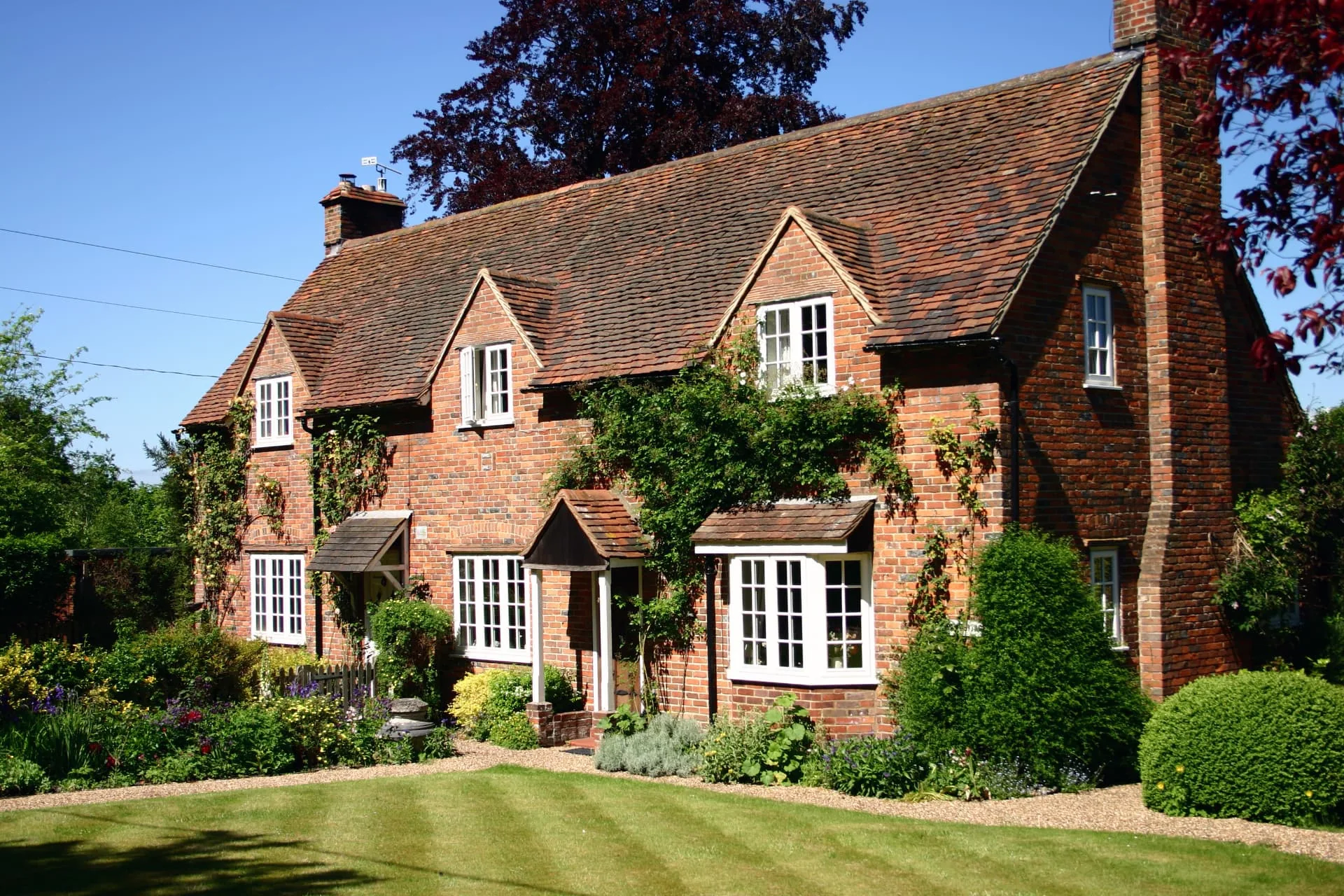
Red-brick cottage with gabled roofs and a planted garden

Three settings, not one shorthand

Trafford’s appraisals describe Hale’s historic area around the station, Bowdon’s conservation landscape and Altrincham’s historic market centre separately. Beyond these cores, each area has a mix of later homes and street patterns. They are best seen as neighbouring options rather than one market.

Family houses, period properties and apartments offer different balances of space, access and upkeep. Compare the plot, which way it faces, parking, storage and the walk or drive to everyday amenities. Larger grounds bring privacy and flexibility, along with maintenance that belongs in both the budget and your thinking about how you want to live.

Giving schools their own attention

These areas fall within Trafford, where each school’s oversubscription criteria and the rules on home address matter. Read the current application guidance and each school’s arrangements, and confirm eligibility, any selection process and availability with the schools and authorities responsible.

Living close to a school may not be enough. For a mid-year move, ask directly about the process and the current position. Keep other schools and homes in mind, and try the school and work journeys together rather than planning around one preferred school.

Rail, tram and real journeys

Hale has a railway station, while Altrincham Interchange offers a different mix of connections, including Metrolink. Hale does not have its own tram stop. TfGM’s network maps and current rail timetables help compare the services and walks that matter for a particular address.

If you travel regularly for work, training, flights or to see family, look at the whole week. Parking and drop-offs can matter as much as the main journey. Try your routes at the times you would use them rather than relying on an advertised journey time.

Period character and future works

Conservation area status and the particular features of an older house can affect plans to extend or refurbish. Check the boundary, any listing and the current planning position before assuming a scheme is possible, and involve independent architects, engineers and legal advisers where needed.

Your surveyor investigates condition, and your solicitor reviews title, boundaries and rights. Our construction and development experience helps with the practical and budget questions. A home’s potential is best weighed against the time, disruption and energy a project would ask of you.

Official starting points.

Check the current policy and the individual address with the responsible authority. Historic appraisals explain context; they should be read alongside current planning policy.

Read about a school-led property search →

A closer look

Neighbourhoods, through a family brief.

Questions worth asking.

Does buying or renting nearby guarantee a school place?

No. Admissions depend on each school’s current arrangements, the relevant authority and your child’s year of entry, so it is always worth checking directly. Whether a place is available is a separate question from choosing the home.

Are these guides a substitute for address-level checks?

No. They are a helpful starting point rather than a claim to know every street. Transport, tenure, planning boundaries and the condition of each property always need checking at the time.

Further reading in Insights →

Private enquiries

Every acquisition begins with a quiet, considered conversation.