Skip to content
THE ACQUISITION OFFICELONDON | CHESHIRE | MANCHESTER

The Acquisition Office · Prime Central London · Area guides

Mayfair & Belgravia.

Garden squares, terraces and apartments, considered alongside the practical realities of living in central London.

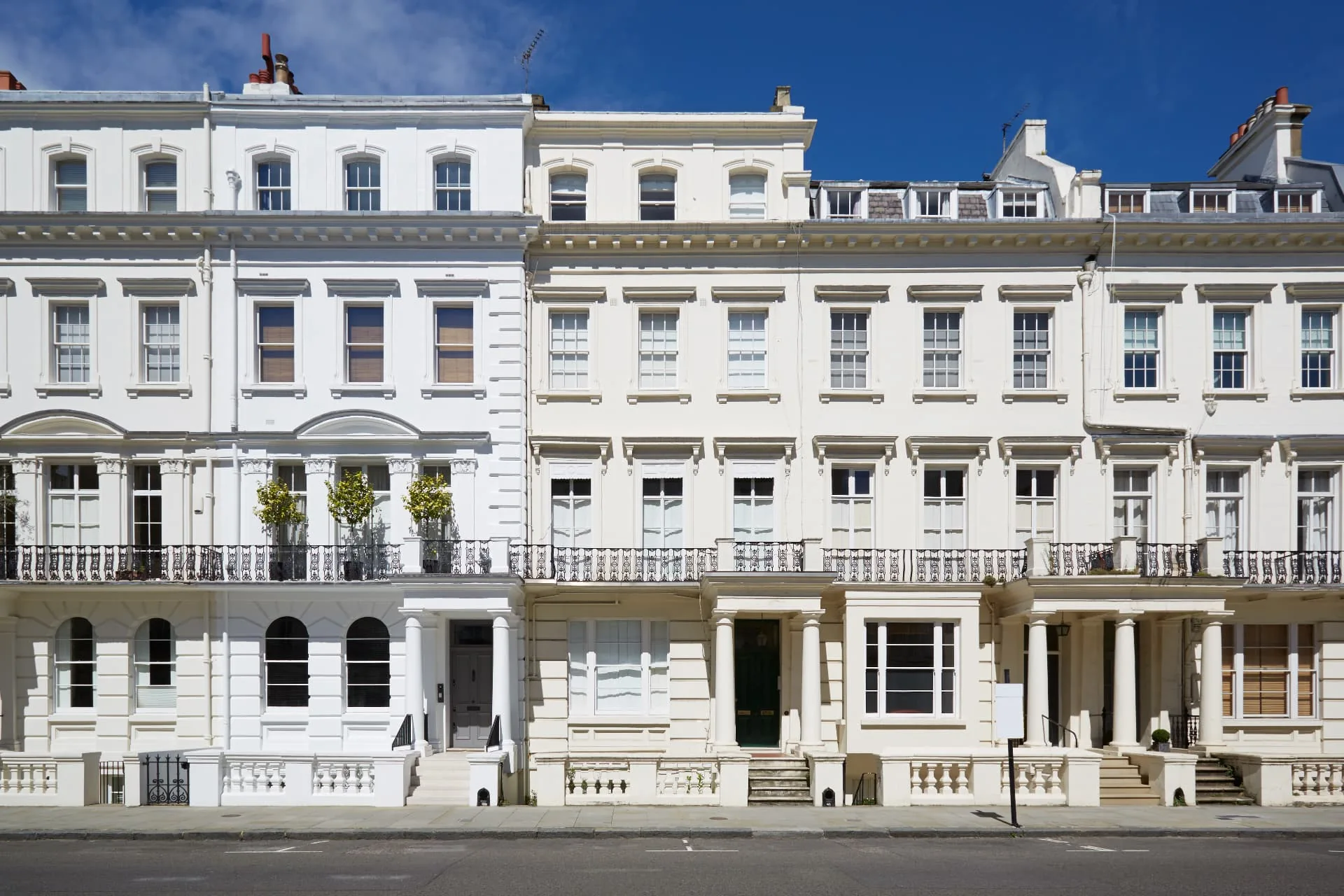
White stucco terraces with columned entrances and iron railings

Different histories, different home settings

Mayfair grew in the eighteenth century around its estates and squares, while much of Belgravia was planned from the 1820s. These histories explain some of their character, but neither area offers a single type of home. Compare the street, the building and the outlook rather than assuming the name says it all.

Belgravia’s long stucco terraces, formal squares and mews offer different balances of space, access and privacy. Mayfair has a varied mix of residential buildings alongside shops, offices and restaurants. A full-time family home and an occasional London base may suit quite different spots within these areas.

The ownership behind the frontage

A handsome facade tells you nothing about tenure. Apartments can differ in lease length, management, services, running costs and planned major works. Ask your solicitor to review the documents and any permissions that affect alterations, use or letting.

Access to a garden square and parking rights should be confirmed in writing, as overlooking a garden does not give you the right to use it. Conservation appraisals explain the historic context, but Westminster advises reading older audits alongside current policy, so any proposed work needs professional advice for that specific address.

Families and a central address

Start with your household’s ordinary week, including school, work, childcare, visiting family and exercise. A central address can make some journeys easier and others harder. Be clear about routes, building access, storage and outside space before letting reputation narrow the shortlist.

Read the current admissions arrangements for the schools you are considering and find out which authority covers the address. Academies, faith schools and independent schools may each work differently. A neighbourhood’s reputation is no evidence of eligibility or availability, so keep a workable plan in case your preferred place is not offered.

Getting a feel for daily life

Use official transport maps to plan routes to the places you go, including airports and mainline stations where relevant. Try the walk to the station, perhaps with luggage, rather than relying on a general idea of central London journey times.

Visit at different times if you can. Deliveries, restaurants, neighbouring businesses and traffic can make one street feel very different from the next. We can help you weigh up those compromises and compare buying with renting, while legal rights and building condition remain matters for your independent advisers.

Official starting points.

Check the current policy and the individual address with the responsible authority. Historic appraisals explain context; they should be read alongside current planning policy.

Read about a school-led property search →

A closer look

Neighbourhoods, through a family brief.

Questions worth asking.

Does buying or renting nearby guarantee a school place?

No. Admissions depend on each school’s current arrangements, the relevant authority and your child’s year of entry, so it is always worth checking directly. Whether a place is available is a separate question from choosing the home.

Are these guides a substitute for address-level checks?

No. They are a helpful starting point rather than a claim to know every street. Transport, tenure, planning boundaries and the condition of each property always need checking at the time.

Further reading in Insights →

Private enquiries

Every acquisition begins with a quiet, considered conversation.